

How to Deal With Attic Mold: Causes, Risks & Solutions

Learn why attic mold forms, why DIY cleanup fails, and how to deal with attic mold effectively using proven prevention and remediation methods. Attic mold is a common issue in Toronto homes, especially during winter. Fluctuating outdoor temperatures, heavy insulation, and poor attic ventilation often cause warm indoor air to rise and condense on cold […]
Indoor Air Testing For Schools, Clinics & Public Places

Learn why indoor air quality testing is essential for homes, schools, hospitals, and other spaces. Discover how it protects health and improves indoor environments. Are you aware of what you’re breathing in while indoors? Indoor air quality testing has emerged as a critical measure in spaces where we live, work, or gather. With the potential […]
What Are the Health Hazards of Mold Exposure?

Understanding Mold: More Than Just an Eyesore Mold is a fungus that exists independently of both plants and animals. While most fungi require a range of nutrients, molds often thrive using minimal resources, feeding directly on the surfaces they inhabit. Prolonged moisture and ultraviolet (UV) light from the sun can accelerate their growth. Once molds […]
Is Black Staining Mold? How To Spot The Difference

Is black staining mold? Black stains in your home aren’t always toxic black mold. Learn how to identify the difference between mold, algae, soot, and staining. Discover what needs removal, what’s harmless, and when to test professionally Not All Black Stains Are Toxic Black Mold — Here’s What You Need to Know Have you discovered […]
Mold in a Baby’s Room: Signs, Prevention & Safe Next Steps

Mold in a baby’s room usually indicates excess moisture from condensation, a leak, poor ventilation, or materials that remained wet. Damp indoor conditions and mold can irritate the eyes, nose, skin, and respiratory system. Babies with asthma, allergies, eczema, or other sensitivities may experience stronger reactions, but a building inspection cannot determine whether mold caused […]
Black Mold On Ceiling Due To Blocked Soffits & Small Roof Vents

Standing Mold in Your Ceiling Corners? Your Roof Vents Might Be the Real Culprit Know How Small Roof Vents and Blocked Soffits Lead to Big Mold Problems If you’re noticing dark black mold spots creeping across the top corners of your garage or rooms, especially near where the ceiling meets the exterior walls, the issue […]
Can Mold Trigger Asthma? Common Myths & Home Air Tips
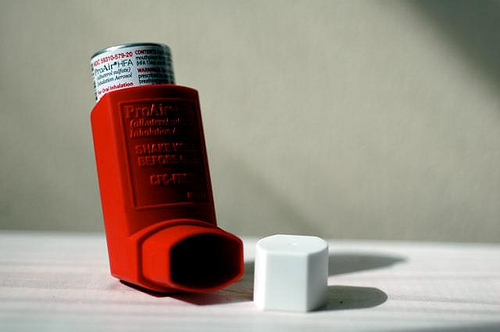
Mold can trigger coughing, wheezing, chest tightness, and shortness of breath in some people with asthma. Dampness, smoke, dust, pollen, pests, pets, and strong fragrances can also worsen symptoms. Reducing these triggers supports asthma control, but it does not replace prescribed medication or medical care. Asthma is a chronic inflammatory condition that affects the airways. […]
Bathroom Renovations Can Spark Attic Mold – How to Stop It?

Bathroom Renovations and Attic Mold: How to Vent a Bathroom Fan Correctly A bathroom renovation can contribute to attic mold when the exhaust fan releases warm, humid air into the attic or loses moisture through a leaking duct. During cold weather, bathroom exhaust can condense on roof sheathing, roofing nails, insulation, and framing. Repeated moisture […]
Mold Health Issues That Reveal Mold Growth in Your Home

Runny nose, cough, wheezing, or eye irritation? These health symptoms could signal hidden mold growth in your Toronto home. Mold growth often hides in walls, bathrooms, or basements, but your body can reveal its presence before you see it. Persistent runny nose, wheezing, chronic coughing, and eye irritation are common signs of mold exposure. Ignoring […]
Household Mold Species That Cause Mold Issues In Homes

Nobody really knows the exact number of species of mold that exist in nature. We just know that there are thousands! The reality of the situation is that just because we don’t see the black or green spots, doesn’t mean that they’re not there! The difference between molds that tend to grow outdoors versus indoor […]